The Man with a Green Thumb

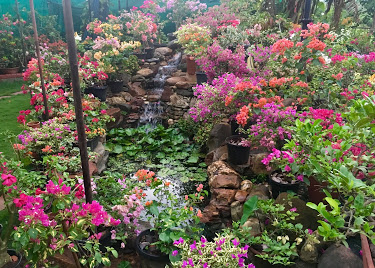
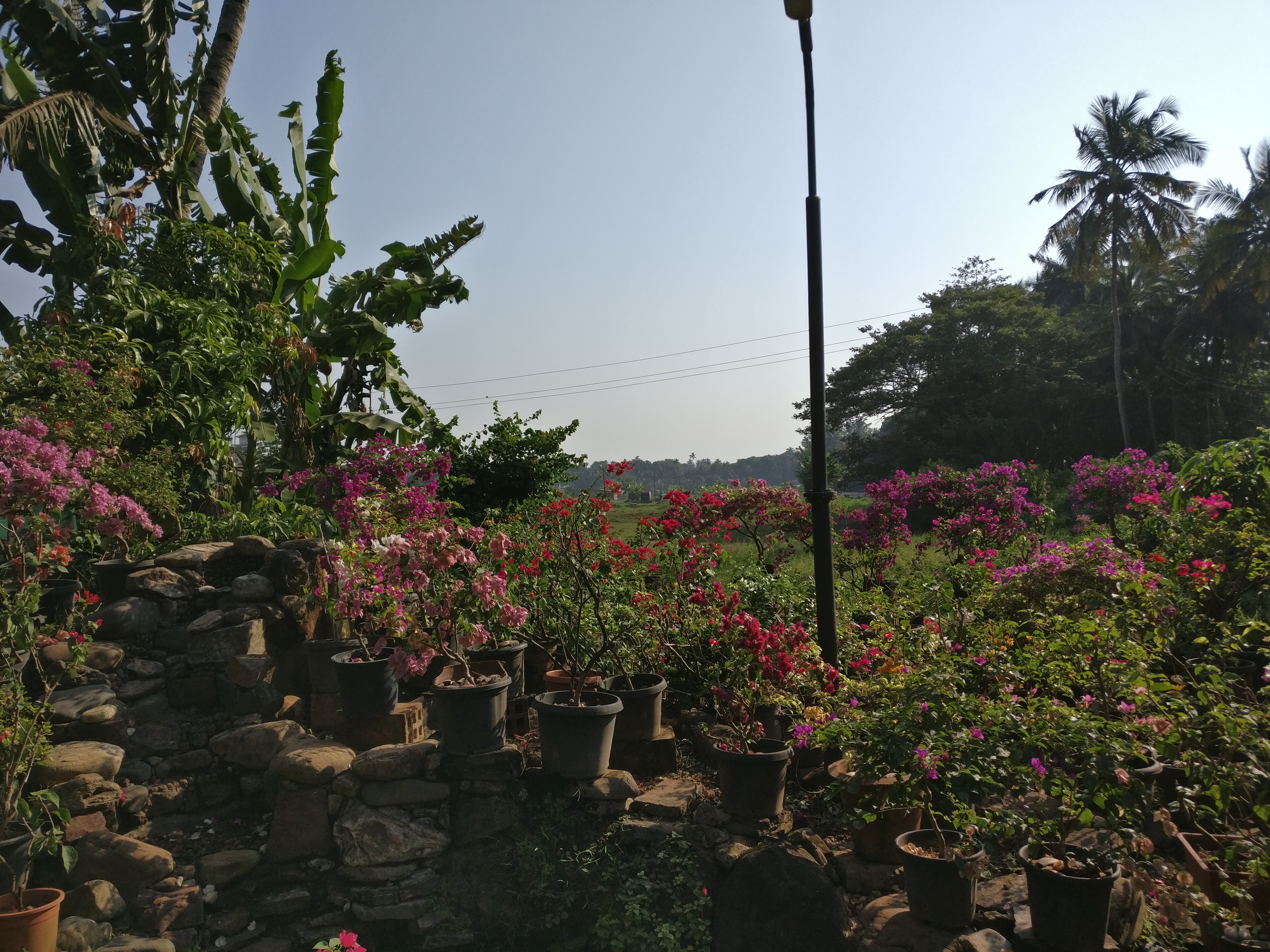
Nestled among the lush green fields of Taleigao, Goa, is a small piece of paradise that has withstood the growing commercialization of the area. As you enter the garden, you are enveloped with serenity and calmness that is so typical of interior Taleigao. The garden is a visual treat with rows of different colors of bougainvillea, orchids, anthuriums, and coconut, mango and lemon trees. The plants are in full bloom and there is a pleasantness to the place that is devoid of any artificiality and ultra-modernity.  Tucked away amidst the nursery is a tiny waterfall that gracefully winds its way to a small pond with water lilies.
dande 1

IMG_20181229_093657

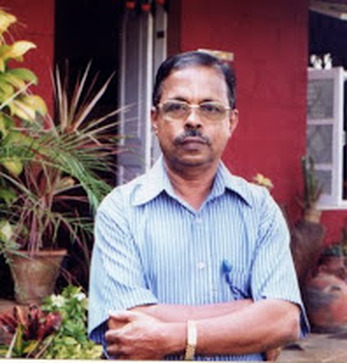
You are greeted soon by the man who is the creator of this haven, Mr. Ashok Dande. Your first impression of him is his simplicity and his passion towards his work.  Established more than 40 years ago, ‘Dande Gardens’ is a dream which is made a reality by Mr. Dande. A self-made horticulturist, he is a man of principles and believes in hard work and dedication to one’s profession.  There is almost a childish enthusiasm about him as he eagerly shows you around the place, proudly displaying his small sanctuary. He encourages anybody who walks into his garden to buy plants or a sack of soil to first look around and enjoy his display of plants. He takes each and every visitor personally around, filling them up with interesting details of the plants and the required care. The healthy blooms around you stand as a testimony to his years of dedicated passion. He treats all his plants and trees as his children, carefully nourishing them with his love and care. The place exudes a contentment that infects anybody who enters it, and you are charmed by the pure rusticity of the place.

“People don’t understand that it takes a lot of love to grow healthy and beautiful plants. Many people just want to have gardens at home but leave them on their gardeners to tend to them, never even showing their love for the plants.”
Dande 2
Mr. Ashok Dande

Ashok Dande, is a horticulturist, writer, photographer and landscape artist. His unpretentious personality is heartwarming. He is very candid voicing out his opinions. “Some people feel I am very difficult to converse with but that is because I am a very straight forward person. I want people to have a passion for gardening before they decide to buy plants. Only those who love my work and trust me can visit my garden if they want”, he says assertively.

Mr. Dande is a self-professed naturalist and an expert at that. He advocates the multiple benefits of fresh coconut oil and claims that the reason he is still active and healthy at the age of 80 is because of his consumption of coconut oil every morning on empty stomach. The oil is made from the coconut trees in his garden and he uses it for cuts and wounds and as a cooking medium too. He laments that the younger generation is ignorant of the benefits of home-grown produce and yearn for global products which he feels are often not suited to our geography and climate. His homemade organic manure and liquid manure for his plants and trees are used by many satisfied customers and he promises long-lasting results with regular usage.

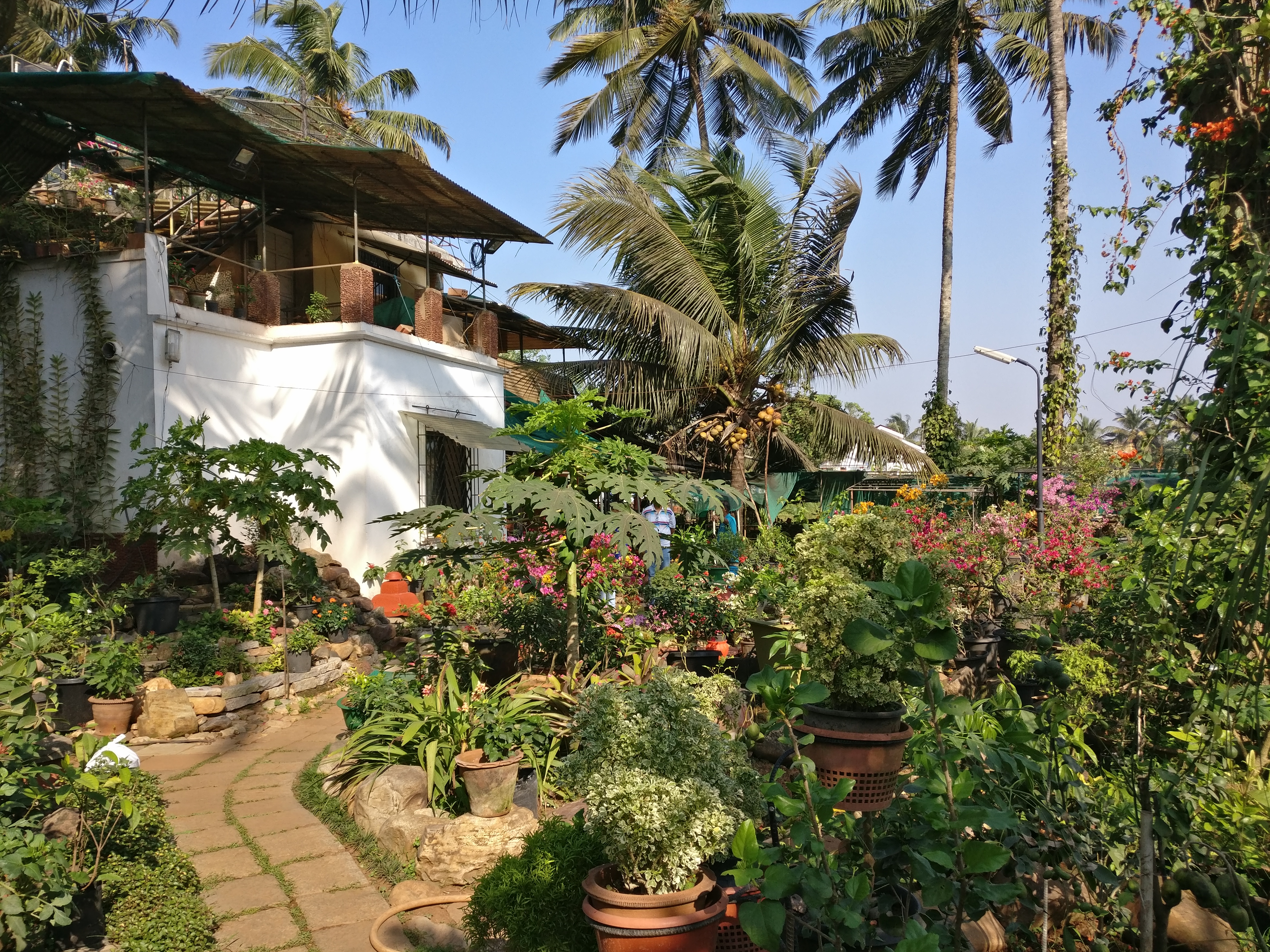
After a refreshing glass of cool homemade cashew fruit juice, we set out to see his roof garden. With beautifully arranged rows of plants, the terrace overlooks the lush green fields of Taleigao. He explains how he has built the walls, the stands and surrounding fencing with his own hands. He introduces me to his team of two faithful assistants who have been with him for many years and are now part of his family. He proudly proclaims that he is a welder, mason, gardener and carpenter, all rolled into one.
IMG_20181229_095121

His conversation is frequently steered towards the growing pollution in Goa. He shows me around the garden and laments about his coconut trees and leaves of guava tree which have a thin coat of black soot. He blames the rapid commercialization of Goa and everywhere else that is affecting the environment and introducing new illnesses.

“Earth is like your mother. We should treat her with respect. Otherwise we will not survive for long”, he cautions me several times.

It was a morning well-spent, learning from this man with a simple mission in this complex world. There are very few people around us who are concerned about the changing environment and bold enough to talk against the indifference and ignorance of people. I promised him that I would put his message into my words and pass them on to whoever cares to listen, acknowledge and act on it.
Makar Sankraanti

Of all the festivals we celebrate every year, my most favourite one and the one I look forward to is Makar Sankranti. It is the time when the harvest and the prosperity that it brings to a farmer’s home is celebrated with pomp and revelry. India being predominantly an agrarian society, harvest festivals are believed to bring wealth and well-being to a farmer’s home.

In the southern state of Andhra Pradesh, Sankranti or Pongal as it is popularly called, is celebrated typically on 13th, 14th and 15th January every year. The festival excitement starts a week ahead with schools closing for term break. When we were children, our vacation plans always involved a visit to Godavarru, my maternal grandparents’ village. My grandfather was an agriculturist which meant the visit was a double treat for us as we would witness the farming activities up close. Sacks of paddy reached home in bullock carts and were stored in a huge warehouse which was in the front yard of the house. Paddy was also weighed and distributed among the farmhands, which was generally the practice in villages. They were always paid in kind for these seasonal activities.

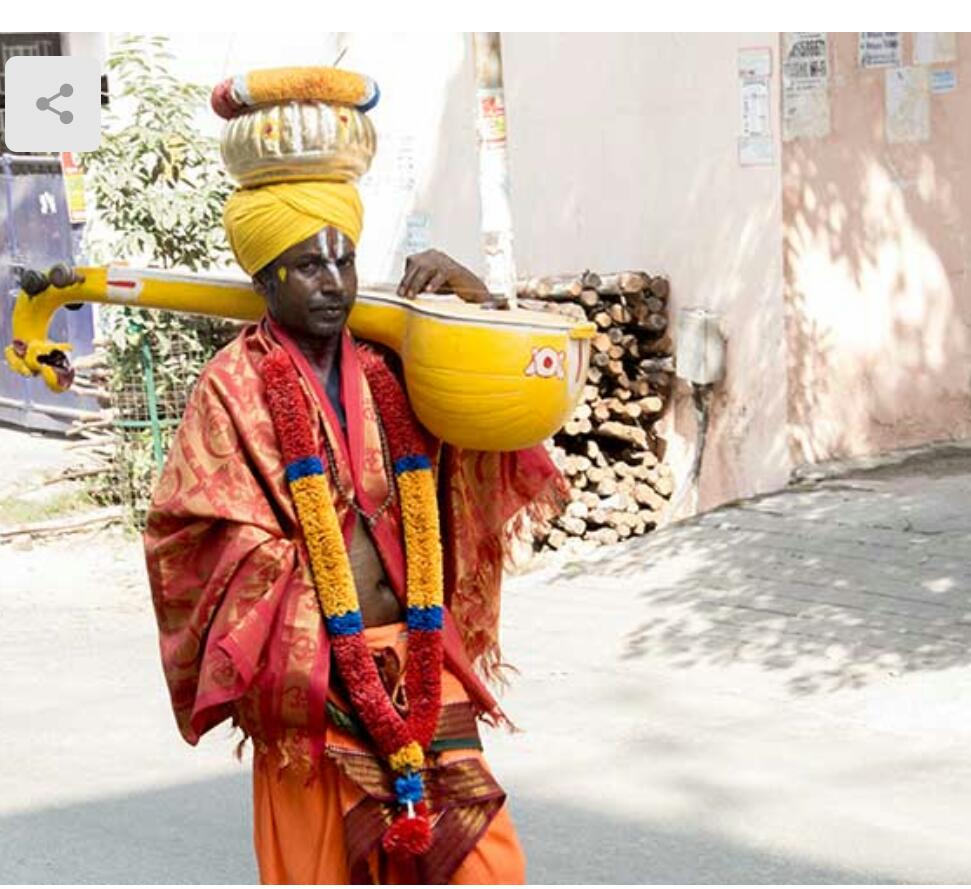
The first sign of the Sankranti season was the advent of a Hari Daasu, believed to be an incarnation of sage Narada, a dedicated disciple of Lord Vishnu in Hindu mythology. A balladeer, he would go from village to village singing songs in praise of God and his greatness. Dressed in a typical traditional attire of a saffron coloured dhoti, a garland around his neck, hair tied in a knot, he would go from house to house carrying a brass pot on his head collecting his share of rice from householders. His voice would be heard a couple of lanes away singing and playing the tambura, (a musical instrument used for pitch) and all of us would eagerly wait at the door for him with excitement. A hari daasu is almost never seen or heard today as their successive generations are opting for more lucrative professions because of changing times.

Hari Daasu

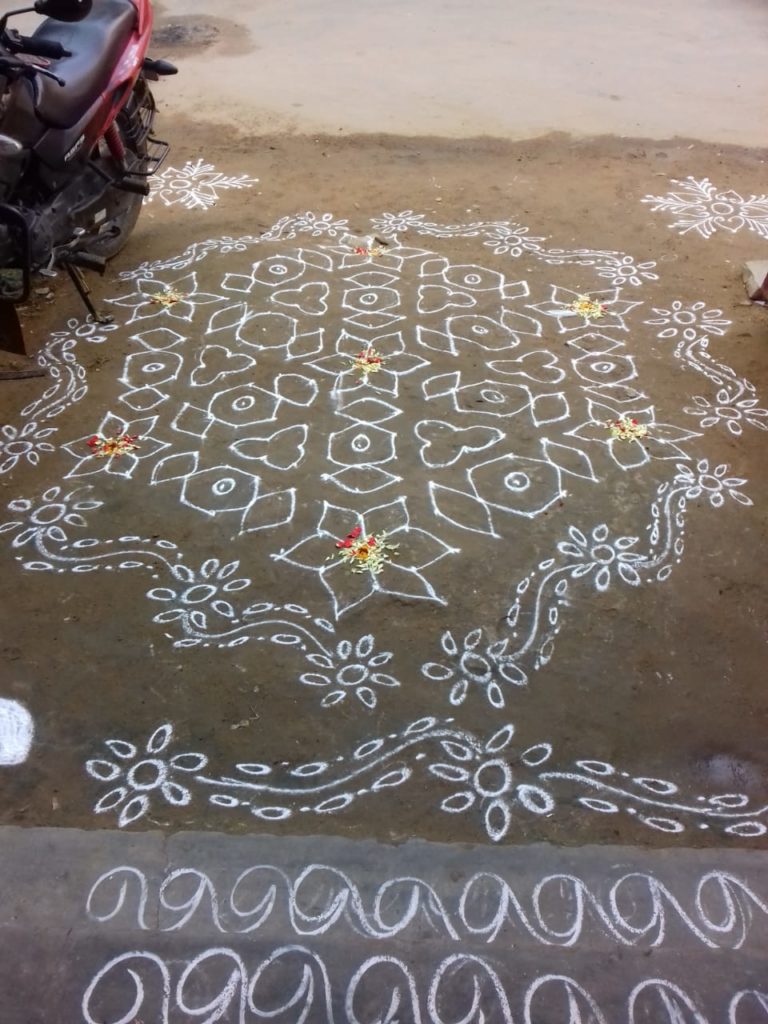
Another quintessential practice during Pongal is drawing rangolis (creative patterns using rice flour) in front of every house and sometimes adorning them with gobbemmalu (cow-dung balls decorated with marigold flowers). It is believed that rangoli in front of a home wards off evil eye and keeps the householders happy and prosperous. It is a common sight in smaller towns of Andhra Pradesh even today to see girls in front of their home, drawing beautiful designs either leaving them plain white or filling them with colours. In earlier times people procured cow-dung from a local cattle shed every day during the festival to make gobbemmalu. These were replaced by new ones every morning while old ones were flattened against the wall of the cowshed to dry, eventually to be used as cooking fuel. Many of these practices are now obsolete with the changing times.

Rangoli

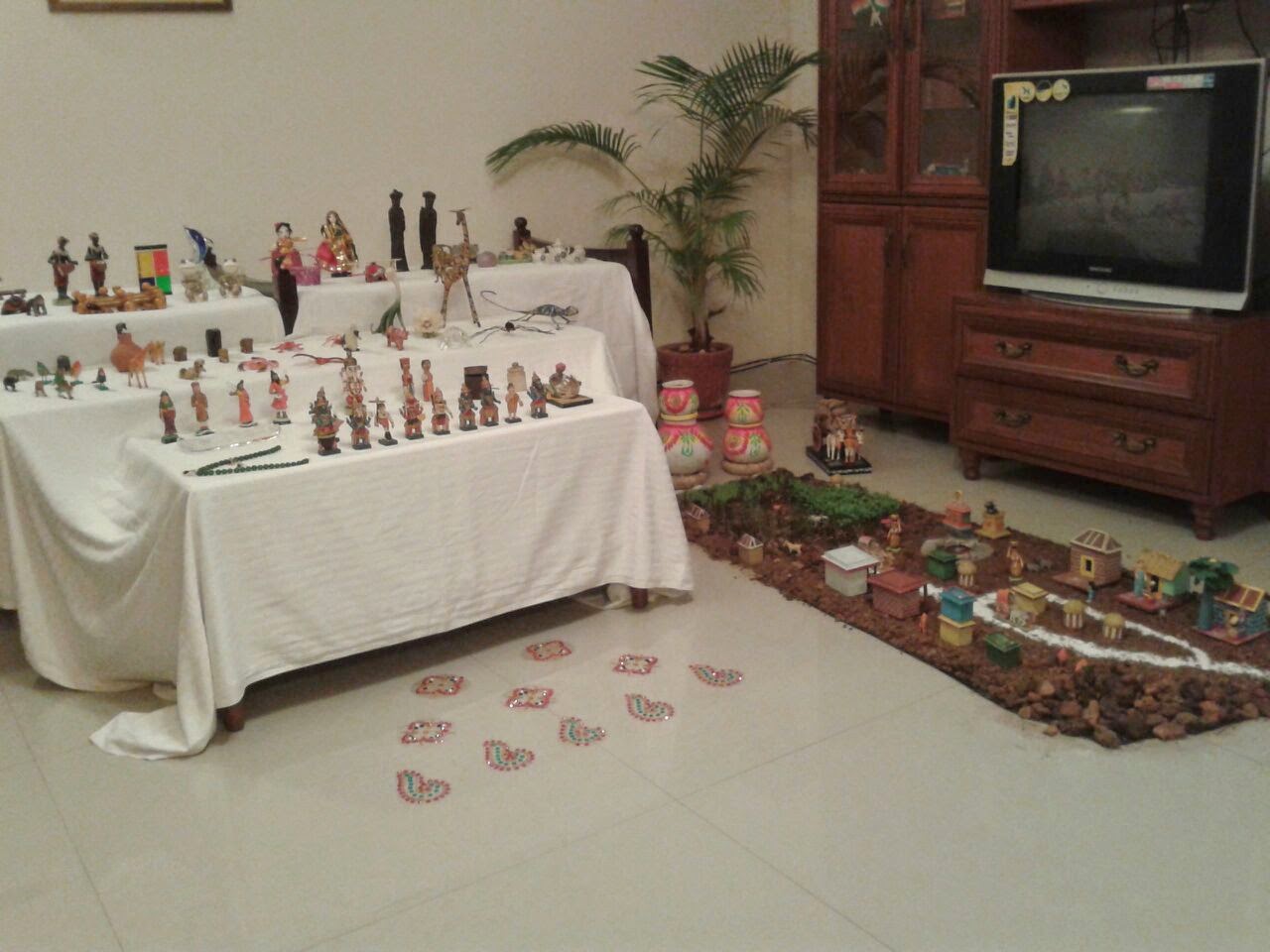
The most awaited Sankranti activity for me even today is the bommala koluvu, a display of dolls in an artistic manner on makeshift steps. While many South Indians have the koluvu (or Golu in Tamil Nadu) during the Navratri festival, in Andhra it is a usual practice to have it during Pongal. The koluvu traditionally has dolls arranged on each step with a theme from mythology. My mother would start preparations a month before the festival, getting us children to find useful material and tables to put up the steps. This display would sometimes also have additionally a miniature village, with fields grown by sowing grains on sheets of paper two weeks before the festival. We had a whole box of huts, miniature farm animals and people that we used to make the village with. It is also a tradition to buy a new idol or a doll every year to be kept in the centre of the display. Though there are several versions to explain the significance of bommala koluvu, the most important reason for me is the fun and festivities shared with friends and family during these days. On the day of Sankranti, women and children are invited home and they were served snacks and given a small gift. As children we would go around to visit displays in other friends’ houses and at the end of the day would boast in front of everyone that our bommala koluvu was the best.

IMG-20190109-WA0001
Bommala Koluvu with the miniature village

With two daughters at home, I keep the tradition alive and still celebrate Pongal with the same fervour. Though my koluvu is not as big as what my mother or my grandmother used to have, I still experience the same childish enthusiasm putting up display with the help of my girls.  A few dolls from my mother and grandmother also made their way to my collection and I always arrange these on the first step of my koluvu. I keep each doll and each memory back in the box after the festival and stash them away safely, yearning to open them all again for yet another lively experience.

Tradition for me is keeping these memories alive and maybe if I could, pass them on to my daughters.

The Story of a Woman

“Oh God, it’s so difficult to work wearing a saree”, 20 year old Meenakshi complained to her sister-in-law. She has mopped and swept the entire house, washed the dishes, cooked and packed lunch for her husband. Meenakshi finally finds a breather to have her breakfast along with her sister-in-law who is more or less her age.

With her pregnancy advancing towards final term, she is lately finding it even more difficult to move about in a saree. She is soon drenched in sweat even after a nice cold water bath!

“I feel I should start wearing Praveen’s shirt and pant. Sometime he wears shorts which are so comfortable to move around when you are working”, Meenakshi continued, not realising her mother-in-law, Savita, was sitting right behind her reading a book.

“Hmmm, not a bad idea at all, wearing your husband’s clothes”, interrupted Savita making Meenakshi jump up with a start.

 “But why does a woman have to wear a saree and feel uncomfortable all the time when men are allowed to wear any outfit of their choice?” Savita’s daughter Revati rebelled with a little anger in her voice.

Savita dragged a chair closer to Revati and Meenakshi, as if to share a few life-truths with them.

“You know how convenient a saree is? It has many uses. You can mop your face with the pallu (the dangling end of a saree) when you are sweating; your kids can wipe their hands and face; when you  go into the drawing room to serve coffee and breakfast to your husband and father-in-law, you can wrap your pallu around your head; when the vegetable vendor comes to the front door, you can easily carry the vegetables in your pallu and bring them inside; when your 4-year-old son wants to lie down on your lap, your saree cushions him well and makes him comfortable; when you feel tired while cooking, you can spread the pallu on the floor and take a snooze too!” Savita stopped speaking to take a breath.

“You know something else? At night, you can make your husband very happy when you wear a crisp white saree”, Savita came closer to Meenakshi and whispered in her ear as if passing down a family secret to her daughter-in-law.

Meenakshi’s face blushed when she heard her mother-in-law’s last sentence. Enlightened with the conversation, she picked up the empty plates and glasses to wash them in the backyard and clean the kitchen, all the while humming a song happily under her breath.

And Meenakshi lived happily ever after…

The Story of a Wife

“I don’t know how she is going to learn to adjust in a big family”, Anasuya worried about her daughter. Her husband sighed as if in agreement, gazing at the night sky, lying on his bed.

“I heard they are very well-off. Kamala will be very happy with them. She is intelligent, humble and sings so well. Soon she will make a good impression on her in-laws”, he said finally, shrugging off his worry.  

Kamala was 14 years old when her parents decided to get her married.  She was not quite sure whether she wanted to get married or study further. She grew up watching the other girls in her village getting married at around the same age and thought that was the right thing to do. She was going to miss school though. When she was not in school, she was in the cow shed singing to the cattle or in the backyard playing with her friends. She was very fond of her parents and her village Pedapalli.

“I will miss my friends and my siblings, and the rich and frothy milk that amma gives me every morning and evening”, Kamala said aloud to her friend Andallu one evening. That was the last evening she was permitted to play with her friends before the wedding.

                                                                ———————————————-

“I don’t like coffee much. I always used to drink milk from my favourite cup at home,” Kamala said to her mother-in-law.

“Oh! But you are now married. Here everyone drinks coffee.”Lakshmamma said to Kamala, her voice a little stern. “You know you are the daughter-in-law of the house now. You should make the family happy, serve them what they love the most”, she added.

“Yes I know. My mother told me about it.”

“Oh that’s nice. I heard a lot about your parents. Your father is a kind man. He has a very good name in our community. He taught his children well too.”

Kamala beamed hearing her father being appreciated. She was very proud of her parents. She decided immediately that she would work hard to make her parents proud of her too.

“Do you know how to make good filter coffee?” Kamala was shaken out of her deep thoughts with Lakshmamma’s voice next to her.

“Hmm, no I don’t like the taste of coffee. In fact I hate coffee. My mother used to give me fresh milk in my favourite brass tumbler every morning before I went to school.” Kamala replied a little shy.

“Well, now that you are part of this family, you should learn how to make coffee. Your father-in-law and your husband need good coffee every morning. How will you make good coffee when you don’t know how it tastes?Tomorrow morning wake up early and I will teach you how to roast coffee beans and make good filter coffee.”

 Kamala listened intently taking in the instructions obediently nodding her head.

“And you need to stop drinking milk and start drinking coffee. Otherwise you cannot make good coffee for your family”.

And Kamala lived happily ever after…

Keepers of a Healthy Nation

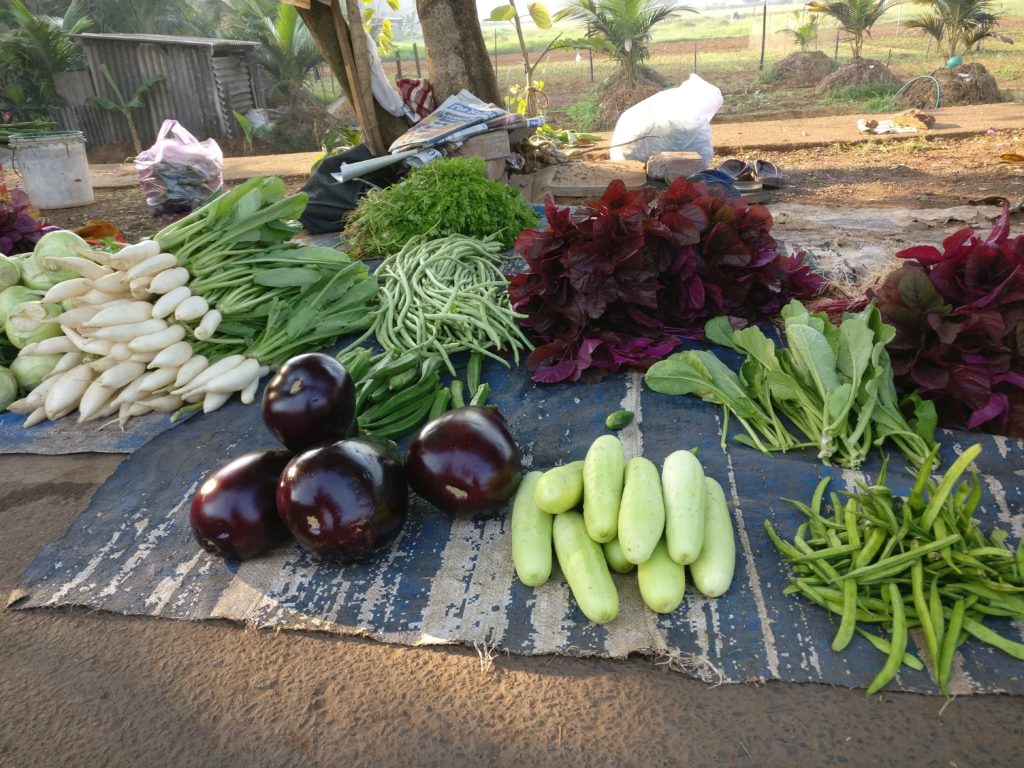
Suman woke up at 5:00 am with a start, worried that she has overslept. When she noticed that her husband’s cot was empty, she let out a sigh of relief. Ganesh, her husband, wakes up every morning at 4:00 to go to the fields to water the plants and manure the fields from time to time. This done, he waits for Suman to come over with the cane baskets and kaanji (rice gruel) and after a little bit of rest and breakfast, together they start gathering fresh brinjals, tāmbdi bhāji(red amaranth), radishes, ladies fingers  before sunrise. They are ready by 7:30 am with their baskets of seasonal vegetables and fruits, for the day to start.

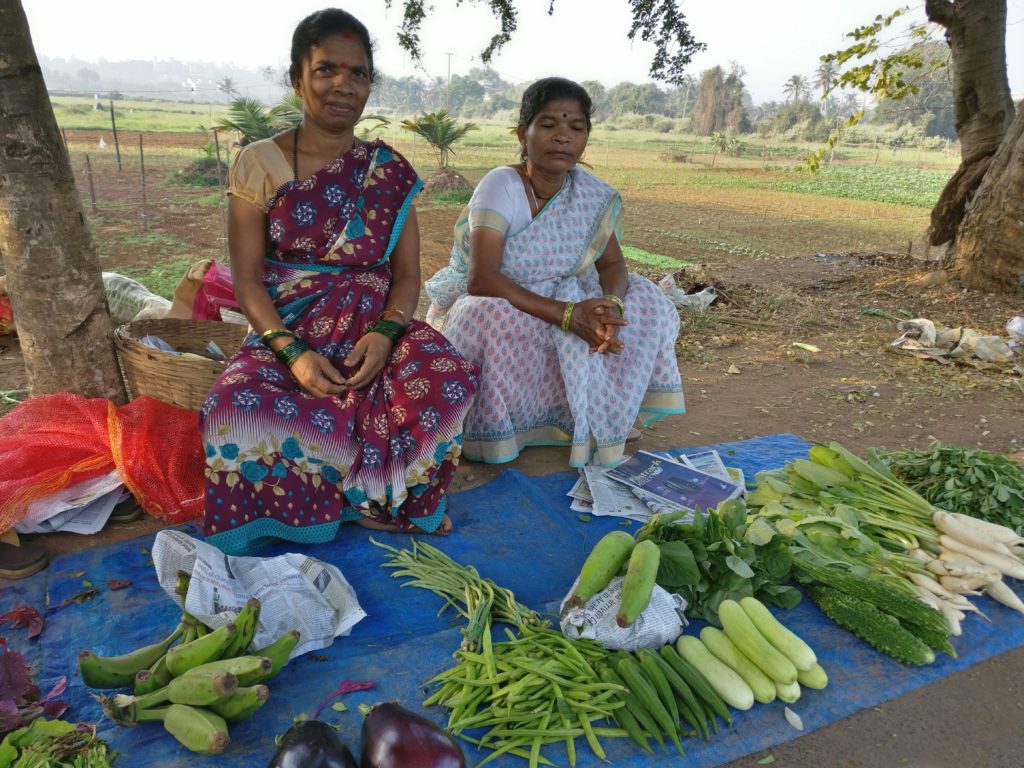
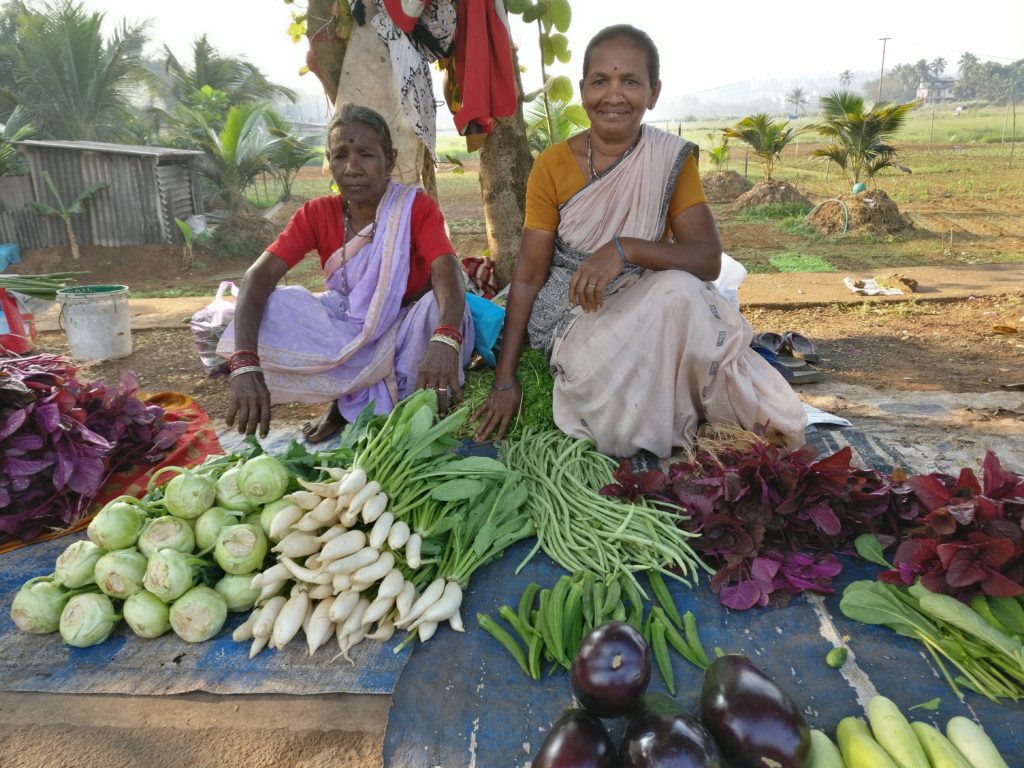
Suman and many other women like her, line the Taleigao road every morning and evening, with their fresh produce neatly spread out in front of them. For these women, attracting customers is not very difficult.  People flock around them-to buy these farm-fresh veggies regularly. It is a common sight on the Taleigao– Dona Paula highway, commuters, and people going for their regular walks, bikes and cars stopping to haggle to buy these locally grown vegetables and fruits from these women.

Another cultivator, Savita Manik comes every morning by 7:30 with her neighbour Lakshmi Bandodkar to sell the fresh vegetables. Before she even opens her baskets and unwraps the sitting mats, there are passers-by stopping to buy her goods.  With continuous stream of customers, she finds a little time to talk to me about her life. Hailing from Khandepar, Ponda, Savita came to Taleigao after her marriage 20 years back. Since then, she has made Taleigao her home. She shared with me a few recipes to cook the snake gourds stuffed with shrimp and was amused and surprised that I am a vegetarian and don’t eat fish at all. She then gave me a couple of more recipes to prepare sabji (vegetable preparation) using the leaves of mooli (white radish) and tāmbdi bhāji(red amaranth) which are Goan delicacies. There is very little land left for farming in this part of Goa. With construction of apartments high on the list,  lucrative money offered by the builders to these local farmers, and increasing stress on cost of living in Goa, much of the land over the last one decade has fallen prey to new luxury apartments in the area. Asked whether they are happy with just their land cultivation, Suman, a regular vegetable grower in Taleigao goes silent. Families like hers  are often torn between a better lifestyle and love for their land and while some succumb to the former, many still are trying to hold on to their lands with the hope that they can some day pass it on to their children.

Driving back home, bags filled with my precious goods, I find myself saying a quick prayer under my breath that Goa, which is experiencing rapid change everywhere should at least not give up on its land and her way of living. Where else will one find a cosmopolitan culture, urban population, dotted with a pleasant rural setting? While development is an important aspect of any place and its people,commercialization especially in a small state like Goa is only going to affect its traditions, culture and customs and permanently change the face of the state.  

Flashes of my Inward Eye

 I desperately searched for old photographs from my childhood spent in my maternal grandparents house in Godavarru. Pictures of the makeshift swing we used to play with all day long, the cool and cozy dining room with the red oxide floor, the kitchen with earthen stoves and musty smell of burnt coal  and a cat curled up in the corner, the village school with charpoys for the kids to sit, the green fields lined with the irrigation canals, the huge banyan tree in front  of the my grandparents’ house, the cupboard where my granny stored the goodies that she cooked for her grandchildren, the village well and many many more, all kept somewhere safe and secure. 

 I was pretty sure I put them all in that old wooden chest.

 …and it dawned on me suddenly that they were just images in my mind that were so vivid, so alive and so real that I have not realised that they were only my memories which pulled me back to the place that I loved the most.

Dance of the Gods

The place reverberated with the beating of drums and the chanting of Vannams. As we entered the open-air makeshift theatre lit with oil-lamps, for a minute it seemed like we were part of a temple festival. The loud cheering of the audiences soon drew our attention to the performers in the middle of the theatre.  It was the first day of Guru-Gedara Festival in Colombo, Sri Lanka.  

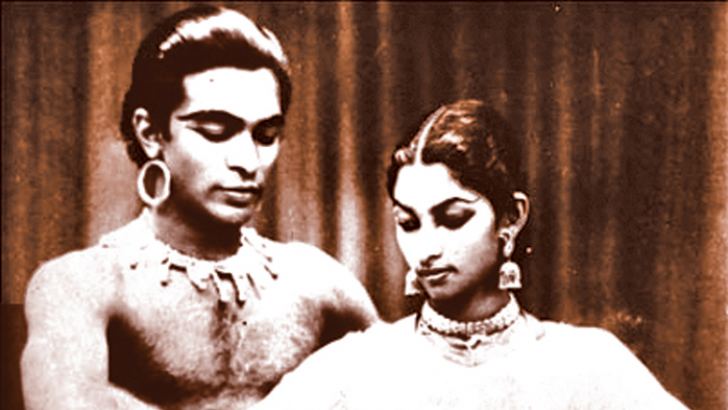
Guru Chitrasena and Vajira

A few months ago, I had an opportunity to witness one of the most spectacular dance forms from Sri Lanka, the Kandyan dance. An endeavour to promote the age-old art forms of Sri Lanka, the Chitrasena Vajira Dance Foundation organised the Guru-Gedara Festival from August 30th – September 2nd 2018 in their cultural ashram in the heart of the city. Guru-Gedara festival is a tribute to the gurus who have kept the art and culture of Sri Lanka alive for generations. This festival celebrates the sacred relationship of a master and his disciple, which is being carried on for many generations with immense discipline and devotion.

The four days of Guru-Gedara festival exposed us to the rich and varied cultural heritage of Sri Lanka. Hands on workshops opened up an opportunity for the young students and dance enthusiasts to learn about the traditional arts of making masks, gok craft, drum making, costume making, puppetry etc.  The creative partnership and mutual dependence of the dance gurus and the artisans culminated in the successful display of some of the best performances that I have witnessed in my life. With the intricately woven backdrops and stage installations, elaborate costumes and exquisite headgear and jewellery, the dances came alive every evening with the dancers lost in a trance to the rhythmic beats of the drums and chants and the audience completely spellbound with the magnificent display in front of them.

A Kandiyan dancer

The Kandyan dance, native to Kandy, the central hills region in Sri Lanka, was predominantly performed by male dancers in the earlier times. Over the years it has metamorphosed and customised itself to bring in female dancers into its fold. It was the husband and wife duo Guru Chitrasena and Guru Vajira who were responsible for the revival of art and dance history of Sri Lanka. They were instrumental in transforming village rituals to what you see as a dance form today.

Started in 1944 in Colombo, Chitrasena Kalayathanaya was the seat of cultural history of Ceylon. The legendary Guru Chitrasena and his wife Vajira were the proponents of the school and started it with a handful of dedicated students. Years after the death of Guru Chitrasena, ‘Chitrasena Vajira Dance Foundation’ stands tall as a beacon for the future generations of dancers. Heshma Wignaraja, the eldest granddaughter of Guru Chitrasena and Guru Vajira, has committed her life to the administrative and cultural responsibility of the school. The principal dancer, Thaji Dias along with her team of dedicated dancers displayed an optimistic picture that the cultural landscape of Sri Lanka is preserved for the next many generations to come.  

My Frequent Walks Down the Memory Lane

I live in the past. Nostalgia is my food. I go about my day moving in and out of my memories, some fond, some bitter, laced with sights, sounds and scents of the years which slipped by. Sometimes I have a painful longing to get physically transported to the times when life was simpler, pleasures were not materialistic, wants were limited to basic necessities and time was at your disposal. As I say this, I realise that I don’t like change. I feel suffocated with too many changes and too much transformation.

Of all the images that I cherish the most are those associated with my mother. She was a simple woman and was loved by everyone in the family. She was educated till PUC, learnt Carnatic music and would sing Tyaagaraaja keertanaas with such melodious voice. Draped in a starched cotton saree and with a fragrance of Cuticura talcum powder about her, she exuded a sense of peace and serenity that brought us tremendous comfort and warmth. As children we would just love to linger around her all the time, waiting for her attention. 

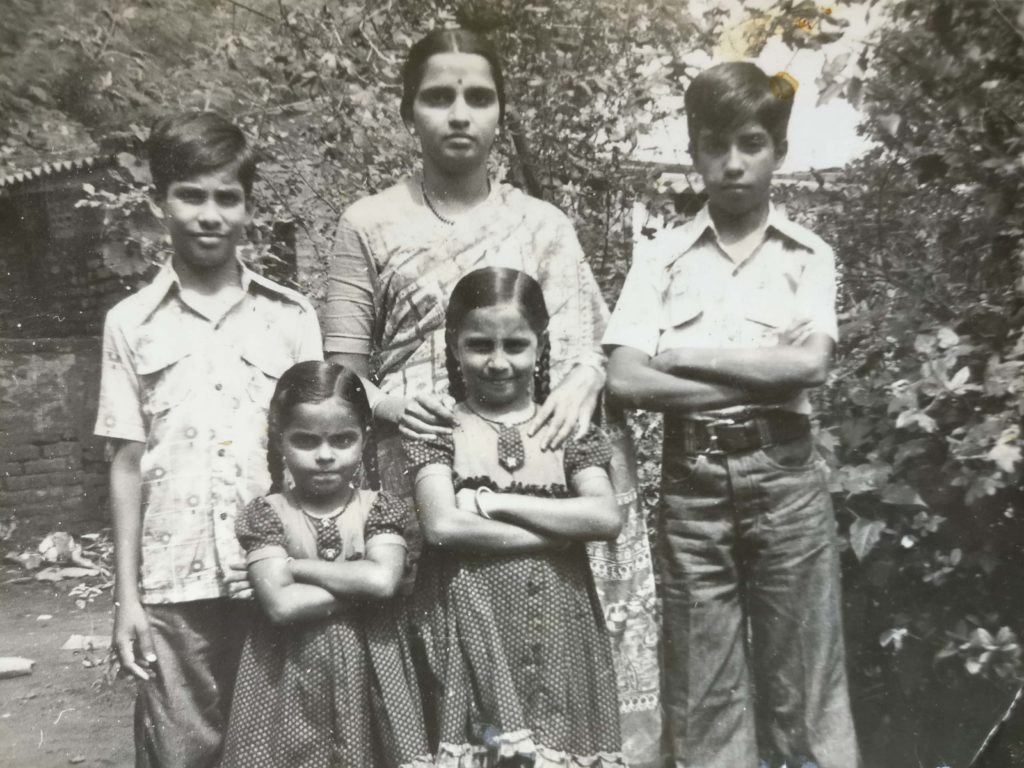
My mom, Savitri, with her four children in the backyard of my grandparents’ house (pic credit: J. V. P. S. Somayajulu (my maternal uncle)

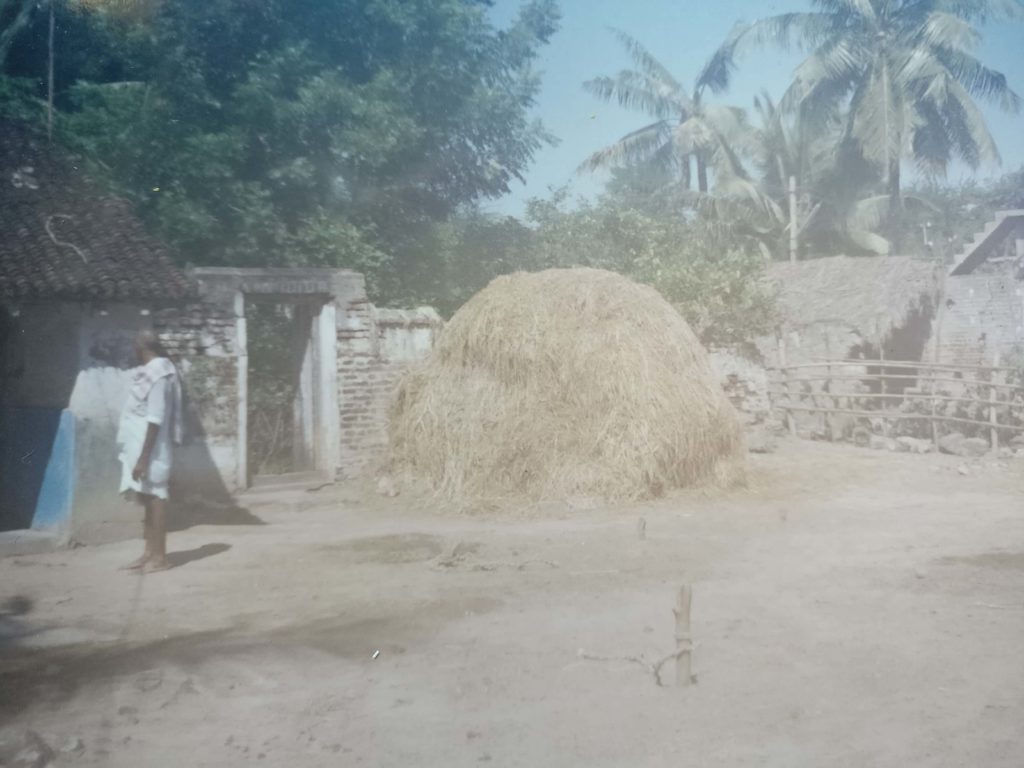
Our summer vacation was invariably spent in my maternal grandparents’ village Godavarru, which stood on the banks of river Krishna. Their humble village life and their abundant,unconditional love for their grandchildren were the most unforgettable memories of life in Godavarru. It was a place where time stood still, silence was deafening, punctuated with mooing of a cow or buzzing of a bee. We loved to play hide and seek in the cow shed or lie down on the warm hay stack for most part of the day, completely engrossed in some funny story narrated by a cousin,while a calf softly nudged us as though demanding a little attention from us.  Once when I casually mentioned to my 14 year old daughter, that I loved the smell of cow-dung, her urban upbringing was quite shaken. ‘You love the smell of cow shit? Yeeew, mom what’s wrong with you?!!’ But I was pleasantly unaffected by her outburst and I slipped back into the warm and cosy labyrinths of my mind.

It was in Godavarru that we learnt our first lessons – milking the cows, star-gazing on clear silent nights, textures of the earth, taste of a tender and unripe banana, the sharp pain of a bee sting, fragrance of wet mud, simplicity of the village folk,falling in love with nature, village customs and rituals, the sweet taste of water from a cool earthen pot, the art of relishing sugar cane with its raw stalk and a whole lot of things that are so part of me now.

 Part of the cowshed

Godavarru was like a sanctuary for us and we would escape from the humdrum of the city at every possible chance. For my mom, it was a piece of earth that was hers, the essence of which she carried with her till her last breath. Years later, now when I reminisce those times, my grandmother’s voice singing softly as she gathered flowers from the garden for her morning puja, the rusty but rhythmic sound of the hand pump next to the well, the high-pitched out-of-tune crowing of a cockerel in the yard,temple bells, all come alive as one beautiful symphony.

Feliz Navidad

Peace, Love, Joy

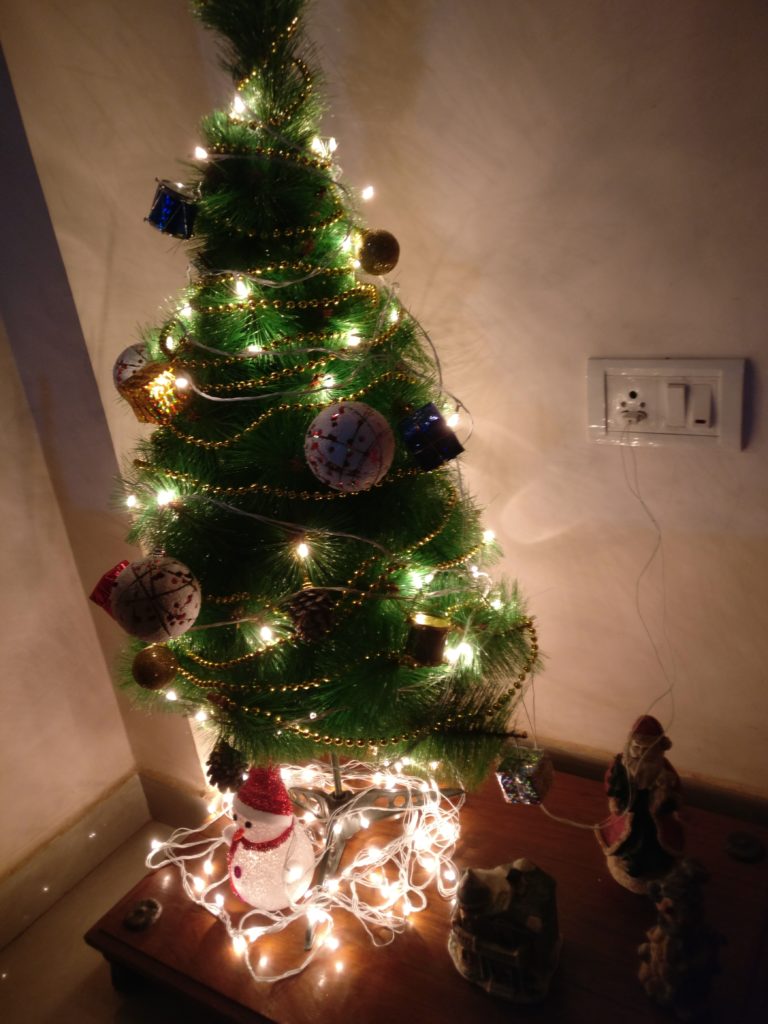
Its Christmas time again! It’s that time of the year when you are so happy you have such great friends and family, that time of the year when you are thankful for your health and feel blessed with what you have, a season with perfect weather and a nip in the air, good food, and  a song on your lips.

But the season also makes you aware that not everyone is in the same place as you are. Let’s spread the joy and the spirit of Christmas to those who are unable to enjoy the season. Help a friend overcome her grief of  losing a loved one, support orphans who don’t have home of their own,  share the pain of someone who is ill, serve the poor and the less fortunate, extend a hand to those who need financial assistance, invite someone home who is far away from family and forgive and forget past grudges. Christmas is the time to spread the joy of living and loving, of caring and sharing.

Merry Christmas and a Prosperous New Year!!

Can’t We Talk About Something More Pleasant?

Conversations related to the inevitability and permanence of death are considered ominous and are often avoided, postponed or in many cases, ignored. We pretend that old age and death are non-existent and even a mild reference to them upset us. People are generally reluctant about writing a will, saving up for unforeseen illnesses or even letting go of things.

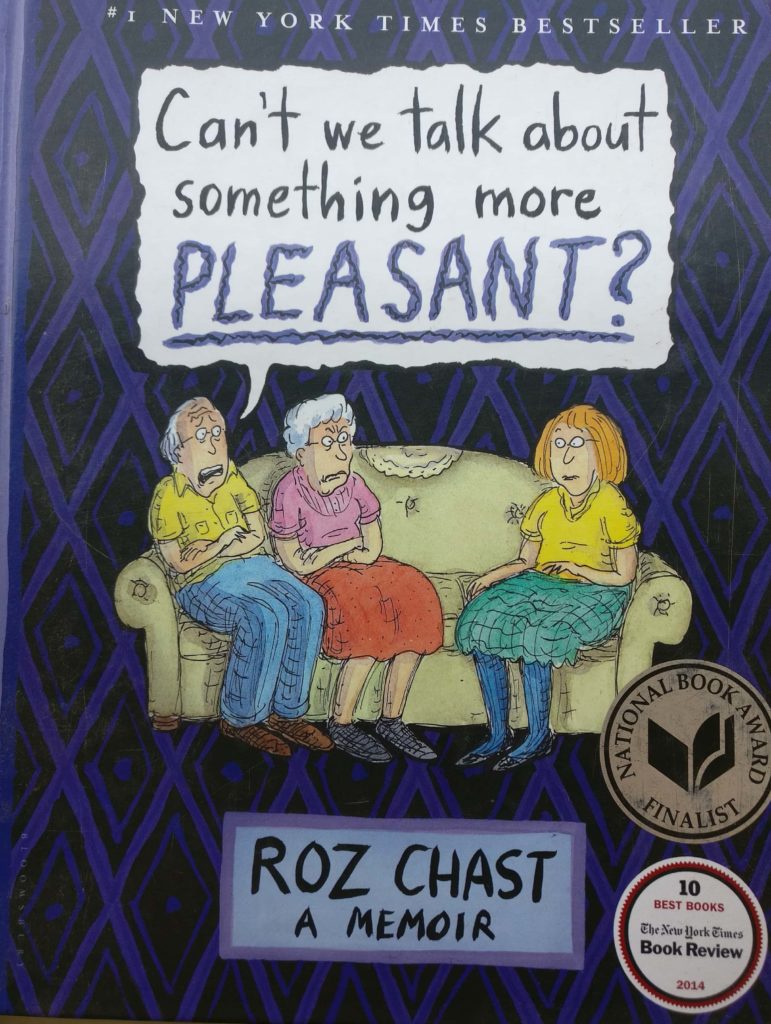
In “Can’t We Talk about Something More Pleasant”, Rosalind “Roz” Chast recounts her personal experiences with her elderly parents while taking care of them during the last few years of their life. Roz Chast, a New York journalist and cartoonist, narrates vividly her observations and her experiences taking care of her parents in Brooklyn. Her Jewish parents migrated to United States at the turn of the 19th century. George Chast, her father, was a high school Spanish and French teacher and her mother, Elizabeth was an assistant principal in an elementary school. They worked hard and lived a very humble, frugal life. Chast, their only daughter, after she moved out of her parents’ house, withdrew from any involvement with her parents for several years, till one day she dropped in their apartment for a casual visit. Her visit throws her in to a sequence of unavoidable responsibilities that she doesn’t expect and draws her into the life of her parents who are by then well into their old age. Chast’s memoir takes you through her bitter-sweet journey with her parents, especially during the last decade of their lives.

The memoir starts with Chast’s concerns about her parent’s future and the conversations she has with them which they tactfully avoid answering. Chast puts this into perspective and draws the title of her book from the general reluctance that people exhibit with subjects like death, old age and even religion. Chast sums it up in the “Introduction’ with a statement “Maybe they believe that if they just held on to each other really tightly for eternity, nothing would ever change”.

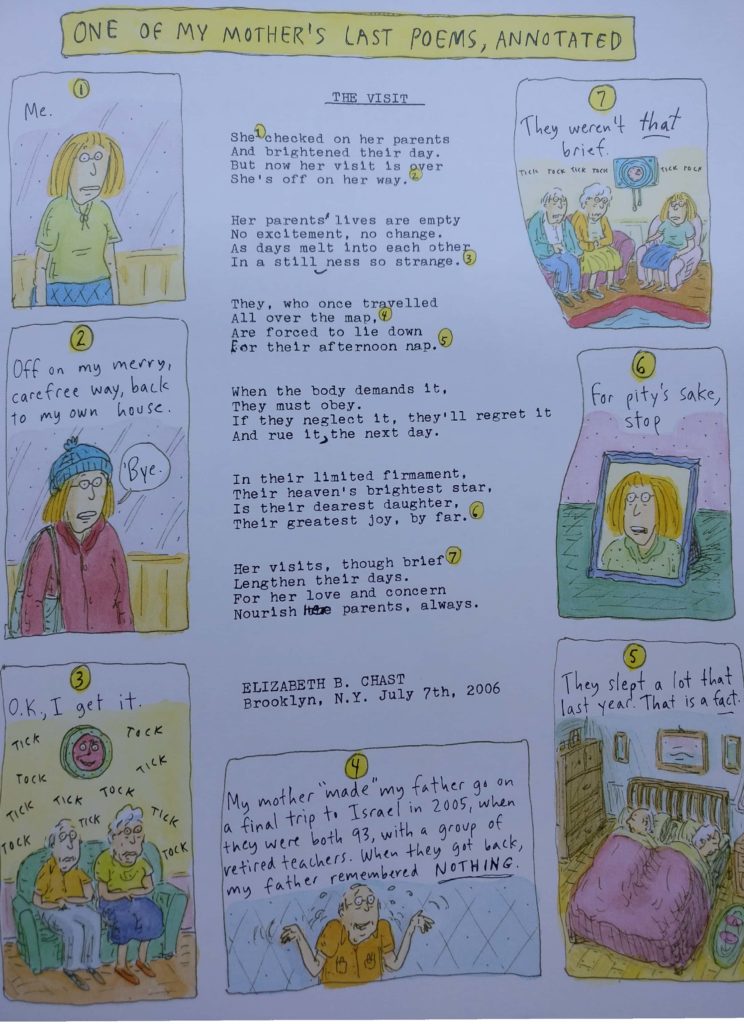
What is refreshingly different is Chast’s perspective about eldercare. In a world where taking care of one’s parents is highly romanticised, Chast’s very straightforward narration puts you off balance. The first two pages set the subject matter in place and then what follows is a sequence of events that unfold in each page, through her vividly descriptive cartoons, sketches, notes and photographs. Each cartoon abounds with visual as well as verbal expression and as she fills the pages with her humorous and descriptive details of her life with her aging parents, you are left with sketches and images of your own similar experiences with your parents or a member of your extended family. It is hard to judge Chast for her tempers, her occasional outbursts and her reluctance once in a while dealing with her parents. Moments of frustration are soon washed over by her extreme love for them and concern for their well-being.  The memoir takes you back and forth between the present episodes and her childhood recollections. Chast is very candid in her descriptions of some embarrassing moments during her teenage years growing up with her parents, the shabbiness of their house, her mother’s tantrums and her father’s anxieties. She doesn’t mince her words when she describes her helplessness whenever she found it too frustrating dealing with her parents. She takes her readers down the memory lane, from revealing her life as a shy introverted kid to being an unhappy teenager, growing up in Brooklyn. She describes her parents as hardworking, loving and very humble about their living conditions. As parents who have seen the Great Depression, they instilled in her the lessons of frugality. But what Roz remembers the most was her parents’ indifference towards her needs and emotions. Her mother, throughout the memoir, is shown as a having ‘fearsome temper’ which she called ‘blasts from Chast’. In the book she describes her father as ‘tentative and gentle’; her mother as ‘critical and uncompromising’.  While her mother made all the decisions at home, including those of Roz’s personal choices, her father merely accepted his wife’s decisions and succumbed to them. It was always a gruelling task to persuade her mother to see a doctor, even in case of a medical emergency as she had an aversion to doctors and hospitals. She was often heard saying, “I am built like a peasant”. She refused to give up on life and kept her husband afloat too as she battled with her aging body and the ticking time. Her grit and determination to fight death was phenomenal and it is very easy to see how the couple was perfect for each other – Elizabeth, strong and determined; George, frail and submissive. But Roz Chast is very candid about her parent’s feelings for their only daughter and their own love for each other.

Roz’s memoir is interspersed with emotions, positive and negative, which well up in her as she takes care of her aging parents. Living in Connecticut, she would make frequent trips to Brooklyn to either spend time with her parents or rush them to the hospital whenever there was a mishap or emergency. The latter increased as the years pass by, which persuaded her to make a decision to keep her parents in assisted living facilities. She soon realised that convincing them to live in such homes was not easy either as her parents found them a ‘hell hole’ and detested the fact that they were not called ‘residents’ but referred to as ‘inmates’. With myriads of complaints and inconveniences, accompanied with rapidly dwindling finances(a fact that her parents were happily unaware of), Chast and her parents swim through their days, assisted by hospice care, nurses and the staff of ‘the Place’.

With senility at its peak, dementia, aging bodies and dwindling mental faculties, George and Elizabeth stand for their ilk, who take things in their stride, with the will to live on their own and a hope to survive against all odds.